Action Shooting Music in Perfect Piano Magic
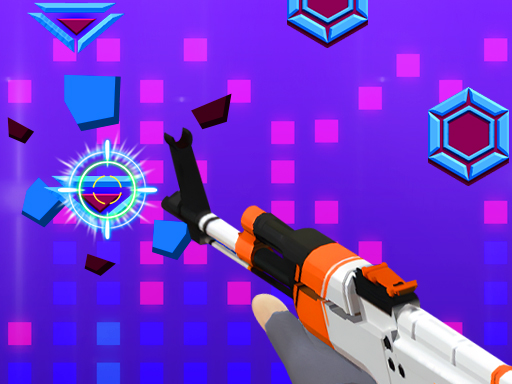
Step into a rhythm-fueled shooter where every note you play powers your aim and every beat drives the action. Perfect Piano Magic blends fast-paced shooting with reactive music mechanics, turning each encounter into a performance. Whether you are chasing high scores or mastering the soundtrack, this game delivers a fresh twist on action play that rewards timing, precision, and creativity.
The core loop is simple yet deep: you shoot targets in sync with the music, and your timing shapes the score. Each shot lands with a musical cue, and staying on beat amplifies damage, accuracy, and combo multipliers. The soundtrack is not just background audio; it is a gameplay system that guides enemy patterns, movement speed, and the intensity of waves. As the track builds, so does the challenge, pushing you to keep rhythm while navigating the arena and prioritizing threats.
Because the game is designed for one player, every decision rests on your shoulders. You choose when to fire, when to hold, and when to reposition. The best runs come from listening closely, reading the beat, and letting the music inform your aim rather than fighting against it. This fusion of action and melody creates a satisfying flow state where focus and timing feel as important as reflexes.
Controls, Flow, and Feel
Controls are responsive and clean, making it easy to translate musical timing into precise shots. Movement is smooth, and aiming feels consistent, which helps you stay locked into the rhythm even during chaotic waves. The game encourages you to find a comfortable pace: fire on the beat to build momentum, then push harder when the soundtrack swells. Visual cues complement the audio, giving you clear signals for when to strike and when to reposition.
Accessibility matters too. New players can start slow, learning how the music influences enemy behavior and shot impact. As confidence grows, you can raise the intensity, chase longer combos, and experiment with timing variations. The result is a friendly learning curve that still offers depth for players who want to master every measure.
Scoring, Combos, and Rhythm Mastery
Scoring rewards consistency and style. Hitting shots on the beat builds a combo multiplier, and longer streaks unlock bonus points and special effects. Missing a beat does not end the run, but it resets momentum and reduces scoring potential. This design keeps the pressure on without feeling punishing, encouraging you to recover and re-sync with the music rather than giving up.
Rhythm mastery comes from listening as much as aiming. Pay attention to the drum pattern, the bass line, and the melodic accents; each element signals different enemy behaviors and timing windows. The more you internalize the track, the easier it becomes to anticipate waves and plan your shots. Over time, your gameplay starts to feel like a performance, with every action contributing to the song.
Visual Style and Audio Design
The visual style is clean and readable, which is essential for a music-driven shooter. Enemy silhouettes, shot trails, and hit feedback are designed to be distinct, so you can track the action even when the tempo spikes. Backgrounds are atmospheric without being distracting, letting the music take center stage while maintaining clarity during intense moments.
Audio design is the heartbeat of the experience. Each sound effect is tuned to the track, creating a cohesive feedback loop where shots, hits, and pickups feel like part of the composition. The mix prioritizes clarity, so you can hear subtle cues that help you time your next move. This attention to detail makes the game feel alive and responsive, turning every session into a personal concert of action.
Strategy Tips for High Scores
Start by listening to the track before you shoot. Identify the main beat, the secondary accents, and the sections where the music accelerates. Use the early waves to lock in your timing, then ramp up aggression when the combo meter is stable. Prioritize targets that appear on strong beats; they often yield better scoring opportunities and keep your rhythm consistent.
Positioning matters as much as timing. Stay mobile but avoid erratic movement that throws off your aim. Find a lane or angle that lets you track enemies smoothly while keeping the beat. When the music shifts, adjust your pace rather than forcing shots. A calm, steady approach usually beats frantic clicking, especially during dense waves.
Practice recovery. Everyone misses a beat now and then, so train yourself to reset quickly. Listen for the next downbeat, re-center your aim, and rebuild the combo without panic. Over time, this resilience becomes a core skill that separates good runs from great ones.
Why One-Player Focus Matters
Because the game is built for a single player, every element is tuned to your personal rhythm and skill. There is no reliance on teammates, no shared scoring, and no external variables to manage. This focus creates a pure experience where your timing, decisions, and musicality directly shape the outcome. It also makes the game ideal for short sessions or extended practice, since you can jump in, find your flow, and push your limits without waiting on anyone else.
The one-player design also encourages experimentation. You can try different timing strategies, explore new movement patterns, and discover how the soundtrack responds to your choices. This freedom makes each run feel unique, and it keeps the gameplay fresh even after many hours.
Getting Started and Play Tips
When you first launch, take a moment to listen to the opening bars. Notice the tempo, the drum pattern, and any melodic cues that signal enemy spawns. Start with conservative shots to build a combo, then gradually increase your pace as you gain confidence. Keep your eyes on the beat markers and use them as anchors for your aim.
As you play, pay attention to how different enemies move and how their timing relates to the music. Some may appear on off-beats, while others sync with the main rhythm. Learning these patterns helps you plan your shots and avoid wasting ammo. If you feel overwhelmed, slow down and re-sync with the beat; the game rewards patience and precision.
Finally, set personal goals. Aim for a longer combo, a higher score, or a cleaner run where you never miss the downbeat. These goals help you track progress and keep the experience engaging over time.
FAQ
What is the main goal in Perfect Piano Magic? The goal is to shoot targets in sync with the music, build and maintain a combo, and achieve the highest score possible while managing enemy waves.
Do I need musical training to enjoy the game? No. The game is designed to be approachable for all skill levels. You can start slow, learn the beat, and improve over time. The music guides the action, but you do not need formal training to have fun.
Is there a story or campaign mode? The focus is on action and rhythm rather than narrative. Each session is a performance where your timing and aim drive the experience and the score.
Can I play on different devices? The game is built for smooth performance and consistent controls. For the best experience, use a device that handles audio and visuals well, and play in a quiet environment where you can hear the beat clearly.
How do I improve my combo? Listen for the main beat, shoot on time, and avoid panic firing. Position yourself for clean shots, recover quickly after a miss, and keep your focus on the rhythm rather than just the visuals.
Ready to feel the beat and test your aim? Jump into the action now and experience how music and shooting come together in a unique, rewarding rhythm shooter. Play Perfect Piano Magic today and start your performance.