Fun Colored Maze Puzzle for Kids and Puzzle Fans
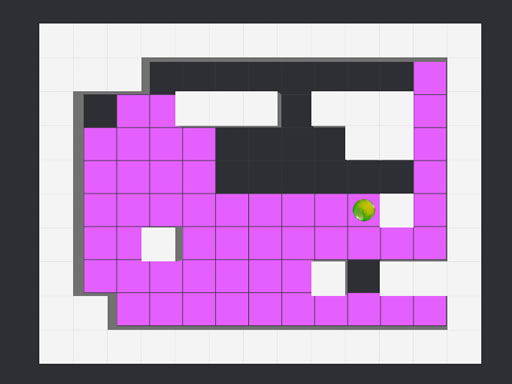
Discover a colorful brain teaser that blends pathfinding with simple coloring fun, perfect for kids and puzzle lovers who want a quick challenge. The Colored Maze Puzzle invites you to guide a character through winding corridors while painting the route as you go, turning each level into a bright, satisfying journey.
The game centers on a straightforward loop: move through a maze, color the path behind you, and reach the goal without getting stuck. Each step leaves a trail of color, so your progress is visible and rewarding. The visual feedback helps you learn the layout quickly, and the growing trail adds a sense of momentum. Because the mechanics are easy to grasp, kids can jump in immediately, while puzzle fans will enjoy planning the most efficient route. The clean design keeps the focus on the puzzle, and the cheerful palette makes every level feel lively.
The challenge comes from the maze structure itself. Dead ends, tight turns, and branching routes require careful thought. You will need to decide whether to explore side paths first or head straight for the exit. The coloring mechanic supports this decision-making by showing where you have been, which helps you avoid retracing steps and wasting time. This blend of simple controls and thoughtful design creates a satisfying rhythm that keeps players engaged from start to finish.
How the controls work for kids and casual players
Controls are designed to be intuitive, so players of all ages can focus on the puzzle rather than the interface. Movement is typically handled with arrow keys or simple taps, depending on the device. The character responds instantly, which makes planning your route feel smooth and reliable. There are no complex combos or timing tricks, so the learning curve is gentle. This accessibility makes the game ideal for kids, while still offering enough depth for older players who enjoy optimizing their path.
The game also respects your time. Levels are short and can be completed in a few minutes, making it perfect for quick sessions. If you make a wrong turn, you can backtrack or restart without penalty. The forgiving structure encourages experimentation, so you can try different routes and learn from mistakes. This approach helps new players build confidence and keeps experienced puzzle fans engaged as they refine their strategies.
Smart pathfinding strategies to color every corner
Winning consistently is about planning ahead. Before you start moving, scan the maze for key landmarks like corners, intersections, and long corridors. Aim to color the longest stretches first, since this reduces the number of steps needed to cover the entire path. When you reach a junction, consider which branch looks more promising. If one path seems to loop back or dead-end, you might save it for later. The coloring trail helps you remember where you have been, so you can make informed choices without getting lost.
Another useful tactic is to treat the maze like a puzzle map. Think in terms of zones: divide the layout into sections and clear each one methodically. This approach prevents you from bouncing back and forth across the board. If the game tracks your coverage percentage, use it as a guide. Aim to keep your trail connected, since a continuous line is often more efficient than scattered segments. With practice, you will develop a sense for the best route and finish levels with fewer moves.
Why the coloring mechanic adds depth to the puzzle
Coloring is more than a visual flourish; it changes how you approach each level. As you paint the path, you gain a clear record of your journey, which helps you avoid repeating steps. This feedback loop turns the maze into a living canvas, where every decision matters. The act of coloring also creates a sense of progress, making even small moves feel meaningful. For kids, this is a great way to stay motivated and see their success build over time.
From a puzzle perspective, the coloring mechanic introduces a subtle resource: the trail itself. You want to keep it efficient, avoiding unnecessary detours that waste coverage. Some levels may reward you for coloring every tile, while others simply ask you to reach the exit. Either way, the colored path becomes a tool for planning. You can glance at the board and instantly understand where you have been, which makes it easier to spot the best next move.
Tips for parents and educators
This game is a friendly choice for classroom breaks or home play. The rules are simple, the objectives are clear, and the visuals are bright without being distracting. Kids practice spatial reasoning, planning, and patience as they navigate each maze. The coloring element adds a creative touch, making the puzzle feel less like homework and more like play. Because levels are short, it fits well into busy schedules and helps children build focus in small, manageable steps.
To support learning, encourage kids to talk through their strategy before they start moving. Ask them to point out the goal and identify potential dead ends. After a level, discuss what worked and what did not. This reflection reinforces problem-solving skills and helps them transfer those skills to other puzzles. The game does not require reading, so younger children can enjoy it with minimal guidance, while older players can set personal goals like faster completion or full coverage.
Why puzzle fans will keep coming back
For enthusiasts, the appeal lies in the balance between simplicity and depth. The controls are minimal, but the decision space is rich. Each maze is a fresh layout that tests your ability to read patterns and plan routes. The coloring mechanic adds a layer of optimization, encouraging you to find the cleanest path. There is no pressure to rush, so you can take your time and think through each move. This calm, thoughtful pace is ideal for players who enjoy steady, rewarding challenges.
The game also invites replayability. Even after you finish a level, you can return to improve your route or try a different strategy. The visual feedback from the colored trail makes it easy to compare runs and spot areas for improvement. Over time, you will develop a sharper sense of maze navigation and a more efficient style of play. This long-term growth keeps the experience fresh and satisfying.
FAQ
Is this game suitable for young children? Yes, the controls are simple and the rules are easy to understand, making it a great fit for kids who enjoy puzzles and coloring.
Do I need to color every tile to win? Not always. Some levels focus on reaching the exit, while others may encourage full coverage. The game is flexible, so you can choose your goal.
Can I play on different devices? The game is designed for web play, so you can enjoy it on a computer or tablet with a keyboard or touch controls.
What if I get stuck on a level? Try pausing to scan the maze and plan your route. Use the colored trail to remember where you have been, and do not be afraid to restart and try a new approach.
How long does a level take? Most levels can be completed in a few minutes, making it easy to play in short sessions or during a break.