Fun Educational Guess The Flags Puzzle for Kids and Family
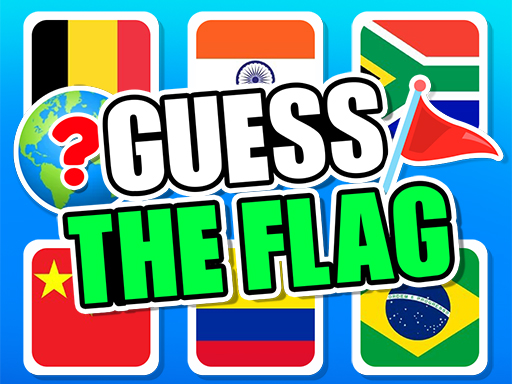
Discover a colorful and engaging way to learn world geography with Guess The Flags, a puzzle designed for curious minds of all ages. This family-friendly challenge invites players to match flags to countries, sharpen memory, and build global awareness while having fun together.
The game presents a grid of country names and a collection of flag images. Your task is to drag or tap each flag to its correct country, creating neat pairs that match by shape, color, and symbol. Each correct match brings instant feedback, while mistakes gently guide you to try again. The interface is clean and colorful, making it easy for kids to follow and enjoyable for adults who want a quick brain workout. As you progress, the puzzles can mix familiar flags with less common ones, encouraging exploration and curiosity about places you may not have studied yet.
Because the mechanics are simple, the focus stays on learning and recognition. There is no pressure from timers in the core experience, so players can take their time to observe details like stripes, stars, crescents, and emblems. This calm approach supports better retention and makes the game a relaxing daily habit for families who want to learn together.
Learning Benefits for Kids and Families
Flag recognition builds visual literacy, pattern awareness, and memory. Children learn to notice small differences and similarities, strengthening attention to detail. The game also introduces geography in a friendly way, helping kids connect a flag with a country name and, eventually, with a region of the world. Parents can use the experience as a springboard for conversations about culture, travel, and history, turning playtime into a shared learning moment.
For families, the cooperative style encourages teamwork. One person can read the country names aloud while another selects the flags, making it accessible for younger players and early readers. This collaborative approach supports confidence and keeps everyone engaged, whether you are playing for five minutes or an entire evening.
Why It Is Great for Classroom and Home
Teachers can use the puzzle as a warm-up activity to introduce a geography lesson or as a quick review before a quiz. The visual format suits different learning styles, especially for students who benefit from seeing symbols and colors. Because the game is straightforward, it fits into short class periods or homework routines without requiring complex setup. At home, families can set friendly goals, such as mastering a continent or beating a personal best score, to keep motivation high.
The game’s design also supports accessibility. Clear icons, readable text, and simple interactions make it approachable for a wide range of ages and abilities. This inclusivity means siblings, grandparents, and friends can all join in and learn together.
Gameplay Variety and Challenge Levels
While the core idea remains the same, the puzzles can grow in difficulty by mixing more flags, adding similar-looking designs, or focusing on regions that are less familiar to the player. This gradual increase in complexity keeps the experience fresh and encourages steady improvement. Players learn to rely on shape, color distribution, and emblem details to make smart guesses, building a mental library of flag patterns over time.
The variety also helps with retention. By revisiting flags in different contexts, you reinforce memory without repetition feeling stale. This makes the game suitable for daily play, whether you are starting with a few pairs or aiming for a longer session that covers multiple continents.
Tips to Improve Your Flag Recognition
Start by grouping flags with similar colors or patterns, then focus on unique features like stars, crosses, or animals. Pay attention to horizontal and vertical stripes, as the order and color sequence can be distinctive. If you are unsure, compare the flag to its neighboring countries; many regions share design influences, which can help you narrow down choices. Practice a little each day to build confidence and make learning feel natural.
Another helpful strategy is to create mental stories for tricky flags. Link a symbol to a memorable fact or image, and you will recall it more easily during the next round. With consistent practice, you will notice that recognition becomes faster and more intuitive.
Family Play and Friendly Competition
Turn the puzzle into a friendly challenge by keeping score or setting cooperative goals. You can try to clear a board with no mistakes, or race against your own best time while staying accurate. For younger players, celebrate small wins and encourage them to explain why they chose a particular flag, which reinforces learning and builds communication skills. The game’s style makes it easy to pause and discuss, so every session becomes a shared adventure.
Family play also opens the door to creative extensions. After finishing a round, look up a country together, watch a short video, or plan a themed dinner inspired by a region you explored. These small activities deepen the learning and make the game a centerpiece of quality time.
FAQ
Is this game suitable for young children? Yes, the design is kid-friendly with simple interactions and clear visuals. Younger players can enjoy matching flags with help from an adult or older sibling, making it a great first step into world geography.
Do I need prior knowledge to play? Not at all. The game helps you learn as you go, and you can take your time with each puzzle. Over time, you will naturally remember more flags and their countries.
Can I play on different devices? The game is built to be accessible and easy to use, so you can enjoy it on a computer or tablet. The controls are simple and intuitive for all ages.
How does this help with learning? By matching flags to countries, you strengthen visual memory, attention to detail, and geography knowledge. The game encourages curiosity and makes learning feel like play.
Is there a way to make it more challenging? Yes, you can focus on specific regions, aim for perfect rounds, or try to recognize flags faster as you improve. The game supports gradual progression without pressure.