Master the Thrilling Hills in Top Racing Games
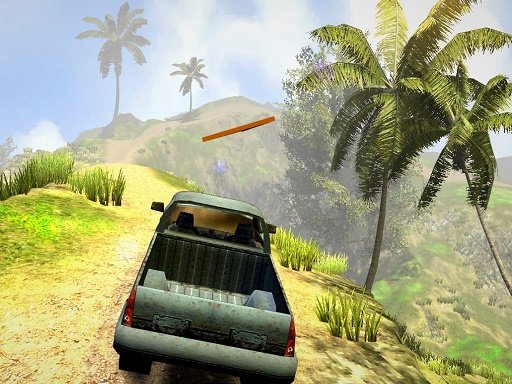
Racing across rugged terrain demands more than speed; it requires control, timing, and an eye for elevation. When the track rises and falls with dramatic slopes, every turn becomes a test of skill and nerve. This style of racing delivers intense moments where momentum, traction, and bravery collide, creating memorable challenges for players who love off-road action and technical driving.
Steep ascents and sudden drops transform ordinary circuits into dynamic playgrounds. The constant change in gradient forces players to manage acceleration carefully, feather the throttle, and anticipate how the vehicle will react. A well-timed climb can set up a thrilling descent, while a mistimed burst of speed can send a car tumbling. These moments keep drivers engaged and make every race feel unique.
The visual drama of elevated terrain also adds to the excitement. Cresting a ridge to see the track unfold below creates a sense of scale and adventure. Shadows shift across the slopes, and the path ahead reveals itself gradually, building anticipation. This natural pacing gives players time to plan their approach while keeping the pressure on as they race against the clock or opponents.
Mastering Momentum on Steep Inclines
Controlling momentum is the heart of hill-based racing. Too much speed on the way up can lead to loss of traction, while too little can leave you crawling toward the peak. Skilled drivers learn to balance the throttle, using short bursts of power to maintain grip without overwhelming the tires. This delicate dance becomes second nature with practice, turning challenging climbs into satisfying victories.
Downhill sections demand a different mindset. Gravity assists speed, but it also increases the risk of overshooting corners. Braking early and using engine braking helps maintain control without locking the wheels. Players who master these techniques find themselves flowing through descents with confidence, turning potential crashes into graceful, high-speed runs.
Vehicle Choice and Setup for Rugged Terrain
Not all vehicles handle slopes the same way. Off-road trucks with high ground clearance and robust suspension excel on uneven surfaces, absorbing bumps and keeping tires planted. Lightweight cars can be nimble but may struggle for traction on loose gravel. Selecting the right machine for the environment is crucial, and many games allow tuning of suspension, tires, and power delivery to suit the challenge.
Power delivery also matters. Vehicles with strong low-end torque can pull up steep grades more effectively, while high-revving engines might require more precise gear management. Understanding these characteristics helps players choose a setup that matches their driving style and the specific demands of the track.
Exploring Diverse Hill Racing Experiences
The hills Games category offers a wide range of experiences, from casual arcade fun to realistic simulations. Some titles focus on pure speed and daring jumps, while others emphasize careful navigation and survival. This variety ensures that every player can find a challenge that fits their taste, whether they prefer quick sessions or long, endurance-style races.
Many of these games feature multiple environments, such as forest trails, desert dunes, and mountain passes. Each setting introduces unique obstacles and visual styles, keeping the gameplay fresh. The Offroad Jeep Hills Driving experience, for example, places players behind the wheel of a rugged vehicle tasked with conquering unpredictable paths, blending speed with technical precision.
Multiplayer Challenges and Competitive Play
Racing against friends or online rivals adds a social dimension to hill-based challenges. Multiplayer Games in this category often include leaderboards, time trials, and head-to-head races where players can test their skills against others. The unpredictable nature of slopes means that even experienced drivers can be caught off guard, creating opportunities for thrilling comebacks and close finishes.
Cooperative modes also appear in some titles, where teams work together to complete courses or achieve objectives. Communication and coordination become key, especially when navigating tricky sections that require precise timing. These social elements extend the life of the game and encourage players to return for new challenges.
Visuals, Sound, and Immersion
High-quality graphics and sound design enhance the sense of speed and danger. Detailed terrain textures, dynamic lighting, and realistic physics make each climb and descent feel authentic. Engine roars, tire squeals, and environmental sounds contribute to immersion, helping players feel connected to the action.
Some games also include weather effects like rain or fog, which can dramatically alter traction and visibility. These conditions force players to adapt their strategies on the fly, adding another layer of depth to the racing experience.
FAQ
What makes hill racing different from other racing genres?
Hill racing emphasizes elevation changes, requiring players to manage momentum and traction more carefully than on flat tracks. The constant shifts in gradient create unique challenges and exciting moments.
Are there beginner-friendly options in this category?
Yes, many titles offer adjustable difficulty, forgiving physics, and simple controls that welcome newcomers while still providing depth for experienced players.
Can I play these games with friends?
Multiplayer modes are common, allowing you to race against others or collaborate in cooperative challenges. Leaderboards and time trials add competitive replay value.
Do vehicle upgrades matter?
Absolutely. Tuning suspension, tires, and power delivery can significantly impact performance on slopes, letting you tailor your vehicle to specific tracks and conditions.