Mastering Solitaire Match Puzzle for Puzzle Fans
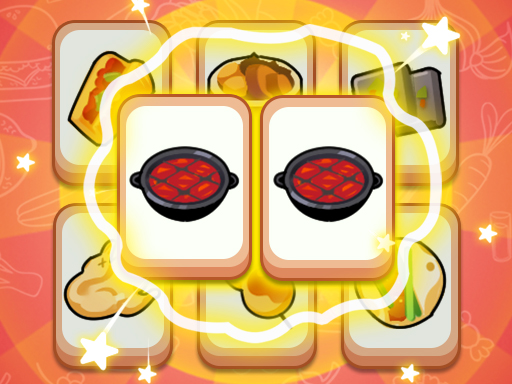
Discover a relaxing yet brain-teasing experience with this card-based puzzle that blends matching mechanics and block strategy. If you enjoy thoughtful planning and satisfying chain reactions, you will love the way each move reshapes the board and opens new possibilities. Jump right into the action by playing Solitaire Match Puzzle and see how far your logic can take you.
At its core, the game asks you to pair cards or blocks that share the same value or suit to clear them from the board. You can match two identical items, or you can combine a small set that follows a sequence or pattern defined by the rules. Each successful match removes those tiles and may cause nearby pieces to shift, slide, or drop into new positions. This creates a dynamic board where every decision influences future opportunities. Planning ahead is essential because a single match can open a path for a larger combo or block a critical move. The best players watch the whole grid, not just the immediate pairs, and they look for opportunities to set up cascading clears that maximize space and score.
Building Powerful Combos
Combos are the heart of high-score play and the most satisfying part of the experience. When you clear a group, the remaining pieces often settle into new alignments that can trigger follow-up matches. Aim to create chain reactions by setting up pairs that will fall into place after your initial move. Think about the order of removal: sometimes clearing a small group on the left opens a bigger group on the right. Other times, you want to delay a match so that a falling tile lands exactly where you need it. The board rewards patience and careful sequencing, and the best runs feel like a well-orchestrated puzzle where each step leads to the next.
Planning Your Moves Around the Grid
Every board layout presents a unique challenge, and your strategy should adapt to the shape and density of the pieces. Scan the grid for clusters of similar cards or blocks, then decide whether to break them apart or preserve them for a larger combo. Corners and edges can be tricky because pieces there have fewer neighbors, so prioritize moves that keep the center flexible. Avoid tunnel vision: it is tempting to chase a single big match, but small, efficient clears often keep your options open. As you play more, you will develop a sense of tempo, knowing when to push for a big chain and when to play conservatively to avoid locking the board.
Scoring, Objectives, and Progress
Success is not just about clearing tiles; it is also about meeting objectives and maximizing your score. Many levels reward you for clearing a certain number of pieces, completing the board within a move limit, or achieving a target score. Combos typically grant bonus points, and larger chains can multiply your gains. Focus on clean, efficient play that meets the objective without wasting moves. If a level has a tight move count, prioritize high-impact matches that clear multiple groups at once. If the goal is to reach a score threshold, look for opportunities to chain several combos in a row. The scoring system encourages thoughtful play and rewards players who can plan several steps ahead.
Difficulty Curve and Level Design
The game gradually introduces new layouts and challenges that test your ability to adapt. Early levels teach the basics of matching and board movement, while later stages add complexity with tighter spaces and more varied tile distributions. You will encounter boards that require you to think about vertical and horizontal movement simultaneously, and some layouts will push you to make sacrifices to open up critical paths. The difficulty curve is friendly to newcomers but deep enough to keep experienced puzzle fans engaged. As you progress, you will see patterns that help you predict how pieces will settle, and you will learn to spot the best opening moves quickly.
Visuals, Controls, and Accessibility
Clear visuals and responsive controls make the game easy to pick up and hard to put down. The interface highlights valid matches and shows how pieces will move, so you can plan without guesswork. Touch or mouse controls are smooth, and the game responds instantly to your input, which is crucial for timing combos. The color palette and card designs are easy to read, reducing eye strain during long sessions. Accessibility features like clear contrast and simple icons help new players learn the rules quickly. The overall presentation supports the puzzle experience by keeping the focus on the board and the moves you want to make.
Strategies for Consistent Wins
Consistent success comes from a mix of observation, patience, and decisive action. Start each board by identifying the largest clusters and the most promising pairs. Ask yourself what will happen after a match: will pieces fall into better positions, or will they create dead ends? Use the edges to your advantage by clearing tiles that open up the center, and avoid filling corners unless you have a plan to free them later. Look for opportunities to set up a cascade by leaving a critical pair in place until the surrounding tiles shift. Keep an eye on your move count and adjust your risk level accordingly. If you are close to the objective, play safely; if you are behind, look for a bold combo that can turn the board around.
Why Puzzle Fans Love This Game
Puzzle fans appreciate the blend of simple rules and deep strategy. The matching mechanic is easy to learn, but the board behavior adds layers of decision-making that keep each level fresh. There is a satisfying rhythm to the gameplay: you scan, plan, execute, and watch the cascade unfold. The game respects your time by offering short sessions that still feel meaningful, and it rewards skill with higher scores and faster clears. It is the kind of experience you can enjoy for a few minutes or for a longer stretch when you want to focus. The balance of luck and skill keeps you coming back, because every board is a new puzzle to solve.
FAQ
What is the main goal in this puzzle? The goal is to match cards or blocks to clear them from the board, meet level objectives, and maximize your score through combos and efficient moves.
Do I need to memorize complex rules? No, the rules are straightforward: match similar items to remove them, and watch how the board shifts to create new opportunities. Strategy comes from planning, not memorization.
Can I play in short sessions? Yes, each level is designed for quick play, and you can pause or restart anytime. The game is ideal for short breaks or longer focused sessions.
Is there a way to improve my score? Focus on setting up cascades, keep your options open, and avoid wasting moves on small matches that do not lead to bigger combos. Practice helps you spot patterns faster.
What if I get stuck on a level? Try a different starting move, look for edges and corners to open up the board, and consider playing conservatively to meet the objective before chasing big combos.
Ready to test your logic and enjoy a relaxing challenge? Start playing now at Solitaire Match Puzzle and see how far your planning can take you.