Shadow Quest: Hypercasual 2D Racing Adventure
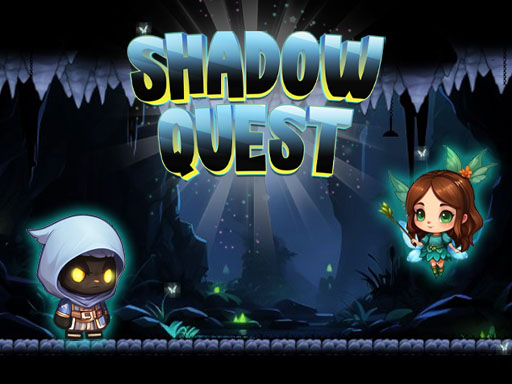
Jump into a fast-paced 2D world where every second counts and momentum is everything. This hypercasual platform racer blends simple controls with tricky obstacles, creating a loop that is easy to start but hard to master. If you enjoy quick sessions that test your timing and focus, the experience will keep you coming back for just one more run.
The game leans into a clean visual style and snappy movement that make each level feel immediate and responsive. You guide a nimble runner through shadowy courses filled with gaps, ledges, and hazards. There is no complex HUD to learn, no heavy systems to manage, and no long tutorials to sit through. Instead, you get pure momentum-based platforming with a racing edge. The result is a loop that rewards clean lines, smart jumps, and steady nerve.
Because it is built for short bursts, the design emphasizes quick restarts and tight layouts. You can feel the flow as you chain jumps and slides, and you can see the next challenge clearly ahead. That clarity helps you plan routes, spot safe landings, and push for faster times without feeling lost or overwhelmed.
How the Controls Feel and Why They Matter
Controls are kept minimal so you can focus on reading the track and reacting in the moment. Movement is smooth, acceleration is consistent, and jumps are predictable once you learn the rhythm. The learning curve is friendly, yet the skill ceiling rises as you chase perfect paths and cleaner finishes. Small adjustments in timing make big differences, which keeps the gameplay engaging without feeling unfair.
Because the game is hypercasual, it avoids complicated inputs and instead asks you to master the basics. That simplicity is a strength: it lets you concentrate on the line you take, the height of your jumps, and the speed you carry through each section. The more you play, the more you notice subtle details that help you shave seconds off your best time.
Level Design and the Flow of the Adventure
Each stage is crafted to guide you through a short journey with rising tension and clear goals. You will encounter gaps that demand precision, slopes that boost your speed, and hazards that punish careless moves. The layout encourages experimentation, letting you try different routes and discover safer paths or riskier shortcuts. As you progress, the challenges grow in a way that feels natural rather than sudden.
The adventure aspect comes from how the stages connect through mood and progression. You move from one scene to the next, learning the rules of the world through play. Hazards are introduced with care, and the environment teaches you what to expect without heavy-handed messages. That subtle guidance keeps the pace fast and the experience smooth.
Visual Style and Atmosphere
Shadowy silhouettes and bold contrasts give the game a striking look that is both simple and stylish. The 2D presentation keeps everything readable, which is crucial for a platform racer where clarity equals control. Backgrounds are kept clean so obstacles and platforms stand out, and the color accents help you track your runner and the path ahead. The result is a focused visual design that supports fast play and easy learning.
Despite its minimalism, the atmosphere has a distinct personality. The world feels alive through motion, sound, and the way the runner interacts with the track. Every jump, slide, and landing has a satisfying feel, and that tactile feedback adds depth to the experience without complicating it.
Why the Hypercasual Approach Works Here
Hypercasual design is about removing friction and delivering immediate fun. This game embraces that philosophy by keeping the rules clear, the controls tight, and the sessions short. You can jump in, play a few levels, and walk away feeling accomplished. At the same time, the challenge is deep enough to pull you back in as you chase cleaner runs and better times.
The approach also makes the game accessible to a wide audience. New players can enjoy the basics right away, while experienced players can focus on optimizing routes and mastering the flow. That balance keeps the experience welcoming yet rewarding, which is ideal for a 2D platform racer with adventure elements.
Getting the Best Results in Each Run
Start by learning the track rather than rushing from the start. Watch the placement of gaps and hazards, and note where you can build speed safely. Take a few practice runs to find the safest path, then try riskier lines once you are comfortable. Small changes in jump timing can carry you farther, and a well-timed slide can keep your speed through tight sections.
Stay calm and keep your eyes ahead. Momentum is your friend, but panic is your enemy. If you miss a jump, reset quickly and focus on the next attempt. Over time, you will develop a feel for the rhythm of each stage, and that consistency will lead to faster finishes and cleaner runs.
Play Shadow Quest Now
Ready to test your timing and ride the momentum? Click the link below to start playing and see how far your skills can take you. The controls are simple, the levels are short, and the challenge is always right around the corner.
FAQ
Is this game easy to learn? Yes. The controls are minimal and the basics are clear, so you can start playing immediately. The challenge comes from mastering timing and route selection.
Do I need to play for long sessions? No. The design supports short bursts, so you can enjoy quick runs and come back whenever you want.
What makes the racing feel different from other platformers? The focus on momentum and clean lines gives it a racing rhythm. You are not just avoiding hazards; you are maintaining speed and flow through each section.
Are there complex systems to manage? No. The game avoids heavy systems and keeps the focus on movement, timing, and reading the track.
Can beginners enjoy it? Absolutely. The early stages are welcoming, and the controls are simple. As you improve, the challenge grows in a natural way.