Solving the Puzzle Block Challenges in Doors Awakening
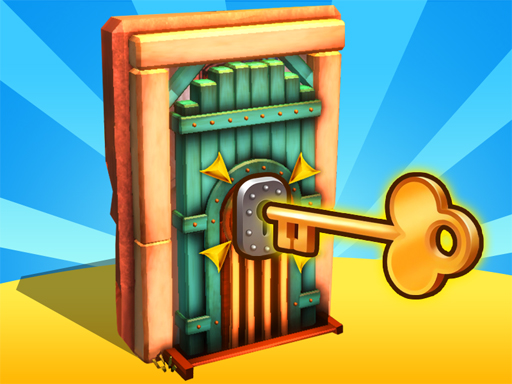
Step into a world of clever mechanics and satisfying solutions with Doors Awakening, a puzzle block experience that rewards patience, observation, and creative thinking. Each level presents a compact challenge where every move matters, and the path forward is rarely obvious at first glance.
The core of this puzzle game revolves around moving blocks in a grid-based environment to unlock new routes and open the next stage. Blocks often have unique behaviors, such as sliding until they hit an obstacle or triggering switches when pushed into a specific tile. Understanding these behaviors is essential to progress, and the game gradually introduces new mechanics to keep the experience fresh and engaging.
As you explore each level, you will notice that the order of moves can completely change the outcome. A single block might need to be repositioned multiple times to clear a path, and some solutions require you to think several steps ahead. The game encourages experimentation, and the best strategies often emerge from trial and error.
Level Design and Increasing Complexity
The early stages teach you the basics in a gentle way, but the difficulty curve is carefully balanced to challenge without overwhelming. New elements appear as you advance, including locked doors, pressure plates, and movable barriers that interact with the blocks in interesting ways. Each level feels like a small puzzle box waiting to be opened.
Later levels introduce multi-step sequences where timing and placement matter more than ever. You might need to use a block to hold a switch down while pushing another block into position, all while navigating tight spaces. The design rewards clever planning and makes every solution feel earned.
Visual Clarity and Minimalist Presentation
The game uses a clean, minimalist style that makes it easy to read the board at a glance. Blocks are clearly differentiated, and important elements like switches and doors stand out without visual clutter. This clarity helps you focus on the logic of the puzzle rather than struggling to interpret the scene.
Animations are subtle but satisfying, giving you immediate feedback when a block slides or a door opens. The overall presentation supports the puzzle-solving flow, keeping distractions to a minimum while maintaining a pleasant, polished look.
Strategies for Solving Tricky Puzzles
When you feel stuck, it helps to slow down and observe the entire board before making a move. Identify which blocks can be moved freely, which ones are constrained, and which tiles are critical for progress. Sometimes the solution is as simple as moving a block out of the way, while other times it requires a precise sequence.
Try to work backward from the goal. If you need to open a door, trace the path back to see which blocks must be moved first. Breaking the puzzle into smaller steps makes it easier to manage, and you will often spot a pattern that leads to the solution.
Common Mistakes and How to Avoid Them
One frequent mistake is rushing through moves without considering the consequences. Since blocks can slide until they hit an obstacle, a single push can change the layout in ways that are hard to undo. Take a moment to predict the final position of each block before committing.
Another pitfall is ignoring the environment. Switches, barriers, and doors are there for a reason, and they often provide the key to progress. Always check if a block can be used to activate a switch or if a door can be opened from a different angle.
Why This Game Stands Out in the Puzzle Genre
What makes this puzzle block game special is how it combines simple rules with deep, satisfying solutions. The mechanics are easy to learn, but the levels are designed to challenge your thinking in new ways. There is a clear sense of discovery as you uncover how each element interacts.
The game also respects your time by keeping levels compact and focused. You can jump in for a quick session or spend longer exploring the best approach for a particularly tricky stage. This flexibility makes it a great fit for both casual players and puzzle enthusiasts.
Getting Started and Making Progress
Begin by playing through the early levels to build a strong foundation. Pay attention to how blocks behave and how the environment responds to your actions. As you gain confidence, you will start to recognize patterns and develop your own strategies for solving puzzles faster.
If you hit a wall, step away and return with fresh eyes. Sometimes the solution becomes obvious after a short break. The game is designed to be rewarding, and every solved puzzle brings a sense of accomplishment that keeps you moving forward.
FAQ
What is the main goal in this puzzle block game?
The goal is to move blocks in the correct sequence to open doors and complete each level. Every stage presents a unique layout that requires careful planning and execution.
Do I need prior experience with puzzle games to enjoy it?
No prior experience is necessary. The game introduces mechanics gradually and provides a gentle learning curve that helps new players get comfortable while still offering depth for experienced puzzle fans.
Are there multiple solutions to each level?
Some levels may have more than one valid approach, but the game is designed to reward efficient and thoughtful solutions. Experimenting with different strategies is part of the fun.
How can I improve my skills?
Practice observing the entire board before making moves, think backward from the goal, and learn from each attempt. Over time, you will develop a stronger intuition for how blocks interact with the environment.