Unlock the Secrets in Detective & The Thief Puzzle Game
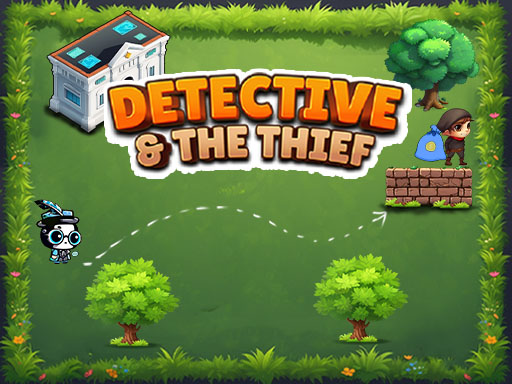
Step into a world of clever clues and tricky escapes with this engaging top-down puzzle adventure. Players guide a determined detective through compact levels filled with obstacles, hidden paths, and a cunning thief who always stays one step ahead. The gameplay blends quick thinking with careful planning, making every move count as you chase, outsmart, and capture your target in a series of increasingly clever challenges.
The game uses a classic top-down perspective that gives you a clear view of each compact stage. You control the detective with simple directional inputs, moving block by block through a grid-like environment. Each level is a small puzzle box where walls, doors, and barriers shape your path. The thief moves on their own logic, often taking the shortest route to escape, which forces you to predict their behavior and cut off their options. This creates a constant cat-and-mouse dynamic where positioning and timing are everything.
Because the game is hypercasual, the controls stay minimal and intuitive. You won’t need complex button combinations—just smart choices. The 2D art style keeps distractions low, so you can focus on the layout and the chase. Every obstacle serves a purpose, and every open space offers a chance to set a trap or close a gap. The result is a tight, satisfying loop of planning, moving, and reacting.
Level Design and Progressive Challenge
Levels start simple, introducing core ideas like blocking paths or herding the thief toward a corner. As you advance, new elements appear: locked doors, moving platforms, and tricky enemy patterns that demand sharper timing. The design encourages experimentation. If a direct chase fails, you might try a different route or use a barrier to redirect the thief’s movement. The game rewards players who observe patterns and adapt their strategy on the fly.
Each stage feels like a self-contained puzzle with a clear goal. You’re not just chasing randomly—you’re solving a spatial problem. The thief’s AI is predictable enough to learn but clever enough to surprise you. This balance keeps the experience fresh and motivates you to try again after a near miss.
Visual Style and Atmosphere
The 2D art style uses clean lines and bright colors to make the environment easy to read. Shadows and lighting cues help you spot hidden paths and potential ambush spots. The top-down view gives you a strategic vantage point, turning each level into a miniature cityscape you can scan for opportunities. Sound effects are crisp and responsive, adding a satisfying punch to every move and capture.
Despite its hypercasual roots, the game has a distinct personality. The detective’s determined stride and the thief’s sneaky animations bring the chase to life. The compact stages feel like puzzle rooms in a museum or a vault, each with its own layout and secrets to uncover.
Strategies for Catching the Thief
Success starts with observation. Watch the thief’s path for a few seconds before making your first move. Look for choke points—narrow corridors or corners where you can force them into a dead end. Use barriers to shape the battlefield, creating lanes that guide the thief toward your waiting detective. Patience is key; rushing often leads to missed opportunities.
Think several steps ahead. If the thief tends to take the shortest route, position yourself to cut that route off before they reach it. Sometimes the best move is to wait, letting the thief circle back into a trap. Other times, a bold sprint can close the distance and force a mistake. The game rewards both careful planning and decisive action.
Why the Puzzle Block Feel Works
The puzzleblock tag captures the game’s essence: every element feels like a piece you can move or use. Walls, doors, and open spaces are part of a larger logic puzzle where the thief’s path is the variable you need to control. This block-based thinking makes each level approachable yet deep. You’re not just reacting—you’re constructing a solution from the environment.
This approach also makes the game highly replayable. You can return to a level with a new idea and discover a faster or more elegant solution. The compact design means you can experiment without committing to long sessions, which fits perfectly with casual play.
Accessibility and Play Anywhere
Because the game is hypercasual and 2D, it runs smoothly on a wide range of devices. The controls are simple enough for newcomers, while the puzzle depth keeps experienced players engaged. The top-down view and clear visual language make it easy to pick up after a break, so you can jump in for a quick chase or a longer solving session.
The design respects your time. Levels are short and focused, with instant restarts if a plan goes wrong. This encourages trying new tactics without frustration, turning each failure into a learning moment.
Start Your Investigation Today
If you’re ready for a smart, fast-paced puzzle chase, you can play Detective amp;amp; The Thief right now. Each level offers a fresh test of your observation, timing, and strategy. Will you outthink the thief and close the case? The next puzzle is waiting.
FAQ
What is the main goal in each level?
The goal is to capture the thief by guiding the detective through the level. You must use the environment, barriers, and timing to cut off escape routes and force a capture.
Is the game suitable for short play sessions?
Yes. The hypercasual design and compact levels make it ideal for quick sessions. You can solve a level in minutes and jump back in whenever you have time.
How does the thief behave?
The thief follows predictable patterns that you can learn. They tend to take efficient routes and react to your movements, so you can plan ahead and set traps.
Are there different types of puzzles?
Each level introduces new layouts and obstacles. You’ll encounter barriers, doors, and movement challenges that change how you approach the chase.
Can I replay levels to improve my strategy?
Absolutely. The game encourages experimentation. Try different paths and timing to find faster or more clever solutions.